Scaling consistency across 40+ products with a shared design system
Created the foundations, components, and governance model that improved consistency, accelerated delivery, and simplified integration across Kaseya’s ecosystem. Led strategy while designing workflows and system patterns hands-on.
Role
Product Designer / Design System Manager
Scope
Strategy, foundations, components, governance, adoption
Impact
Standardized 40+ products

A foundation for consistency at scale
Kaseya’s product ecosystem grew quickly, but without a shared design foundation.
Each team worked independently, resulting in inconsistent UI patterns, duplicated components, and fragmented user experiences across products.
As the platform scaled, so did the cost of inconsistency.
Key challenges
No shared design system or foundation
Inconsistent UI across products and channels
High duplication across teams and components
Slower delivery and inefficient handoffs
Reusable components across the system
Weekly usage across the platform
Teams adopted across products
Inconsistency wasn’t just visual — it slowed everything down
Without a system, teams solved the same problems repeatedly.
Designers rebuilt components. Engineers implemented patterns differently. Product decisions lacked alignment across teams.
The result was slower delivery, duplicated effort, and a fragmented user experience across products.
What changed:
Teams reused patterns instead of rebuilding from scratch
Decisions aligned faster across design and engineering
Users experienced more familiar interactions across products
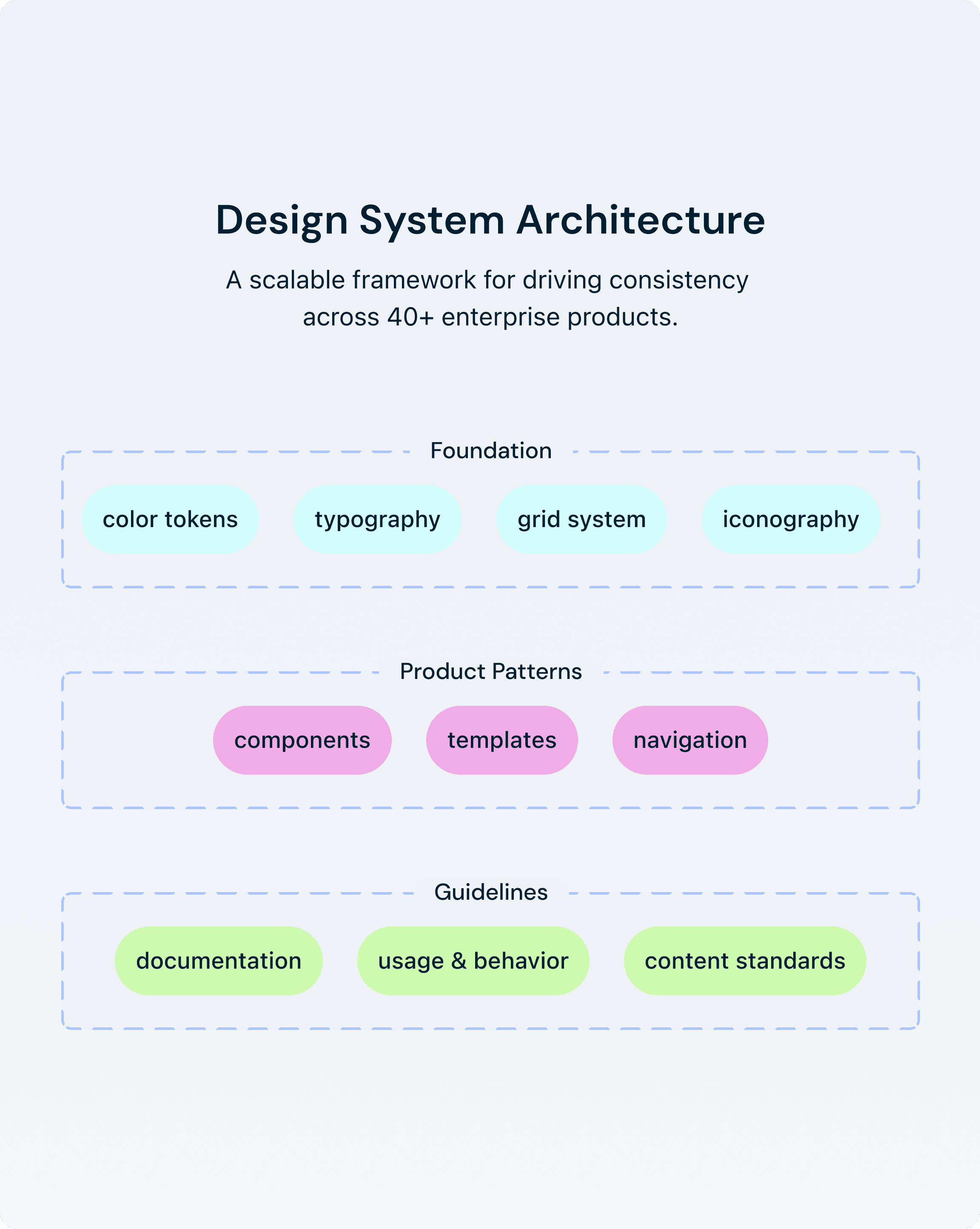
This wasn’t about creating components — it was about creating alignment
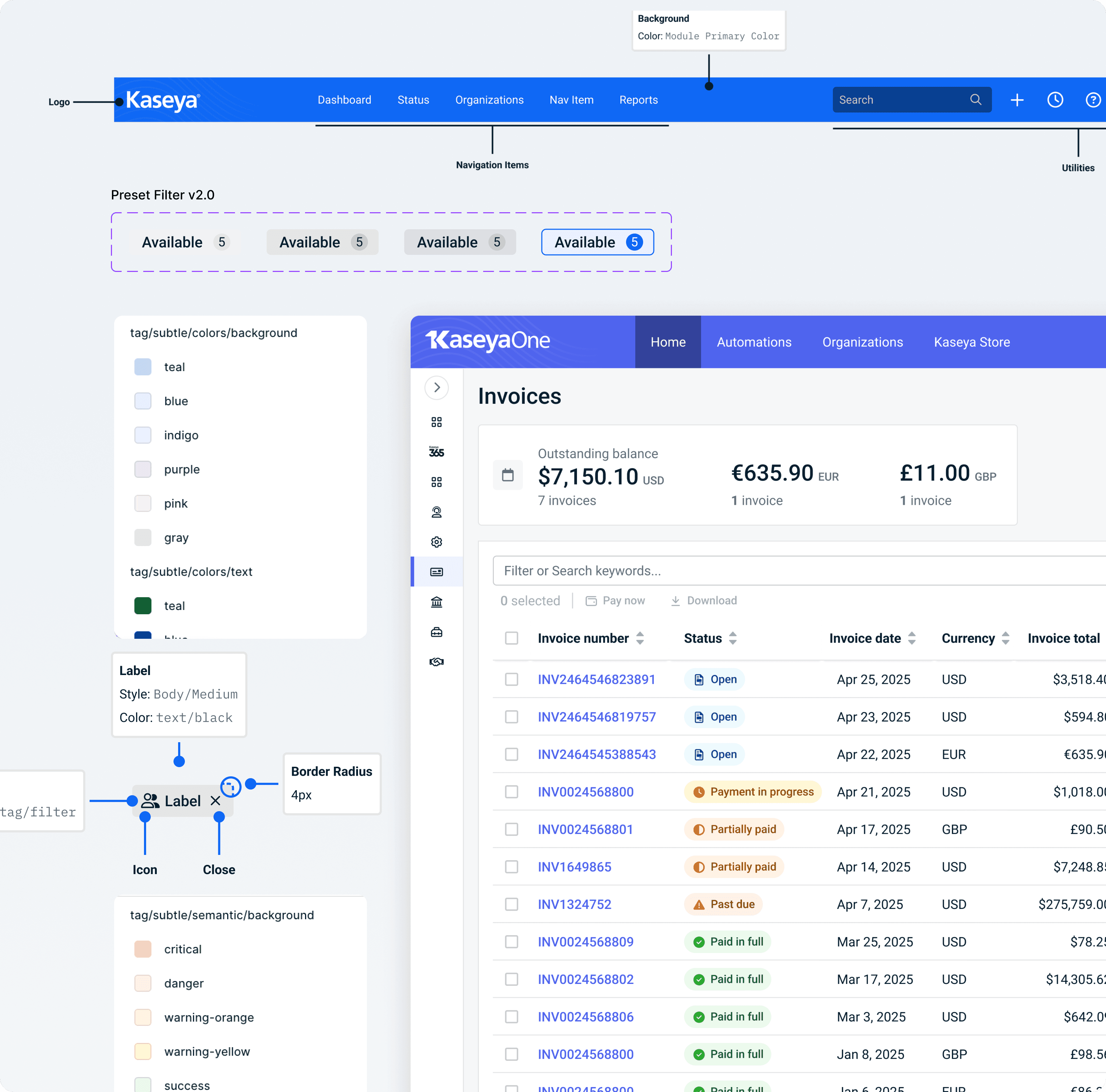
The goal wasn’t just to build a component library. I helped define the shared foundations, patterns, and governance needed to align teams across a growing product ecosystem.
That meant balancing standardization with flexibility: creating patterns that were consistent enough to feel familiar across products, but adaptable enough to support different workflows and technical constraints.
What does consistency actually mean at scale?
Consistency isn’t about making everything look the same.
It’s about creating predictability — where users can move across products and rely on familiar interactions, structures, and language.
We focused on defining patterns that could scale across products, while remaining flexible enough to support different use cases.
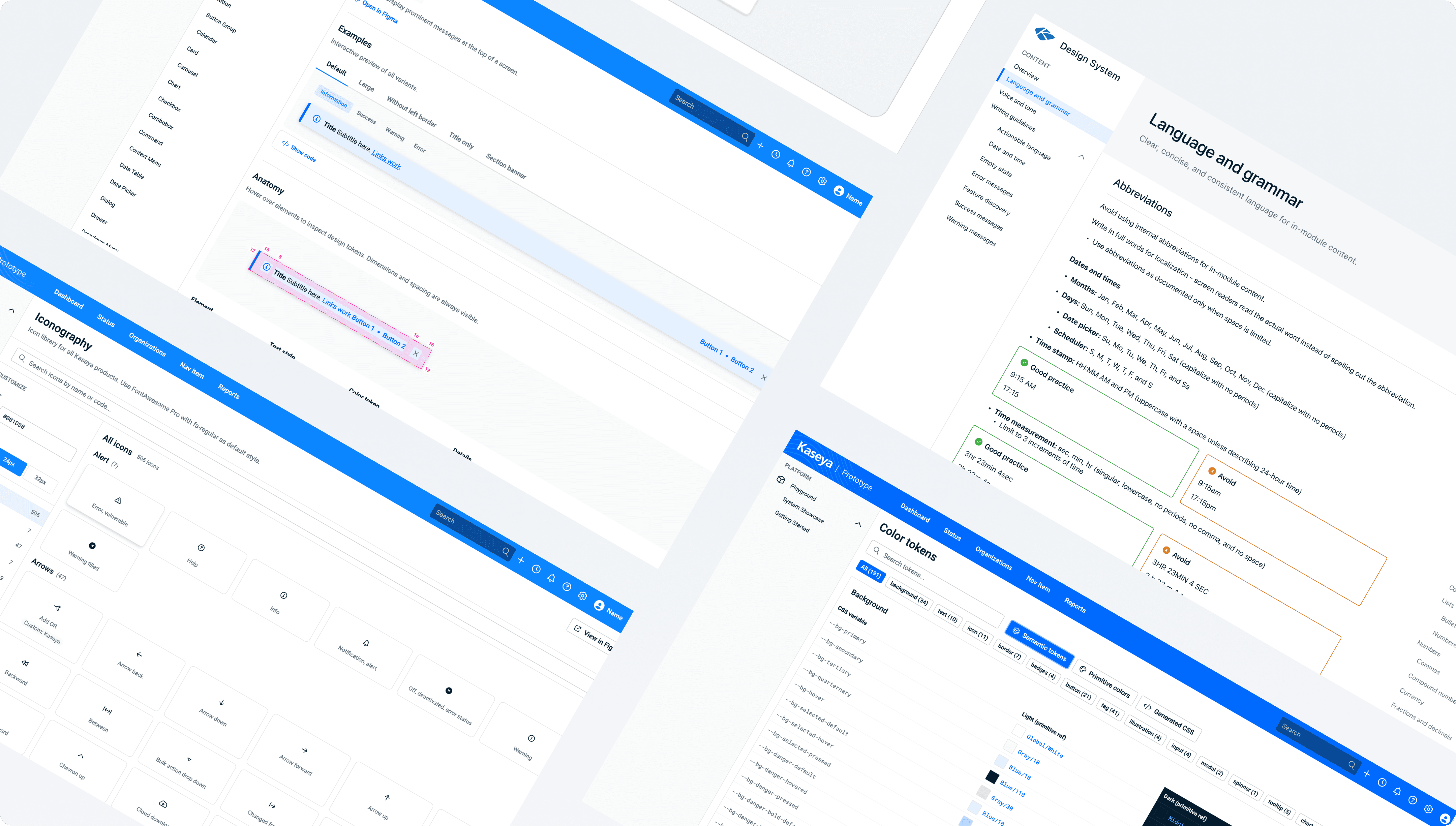
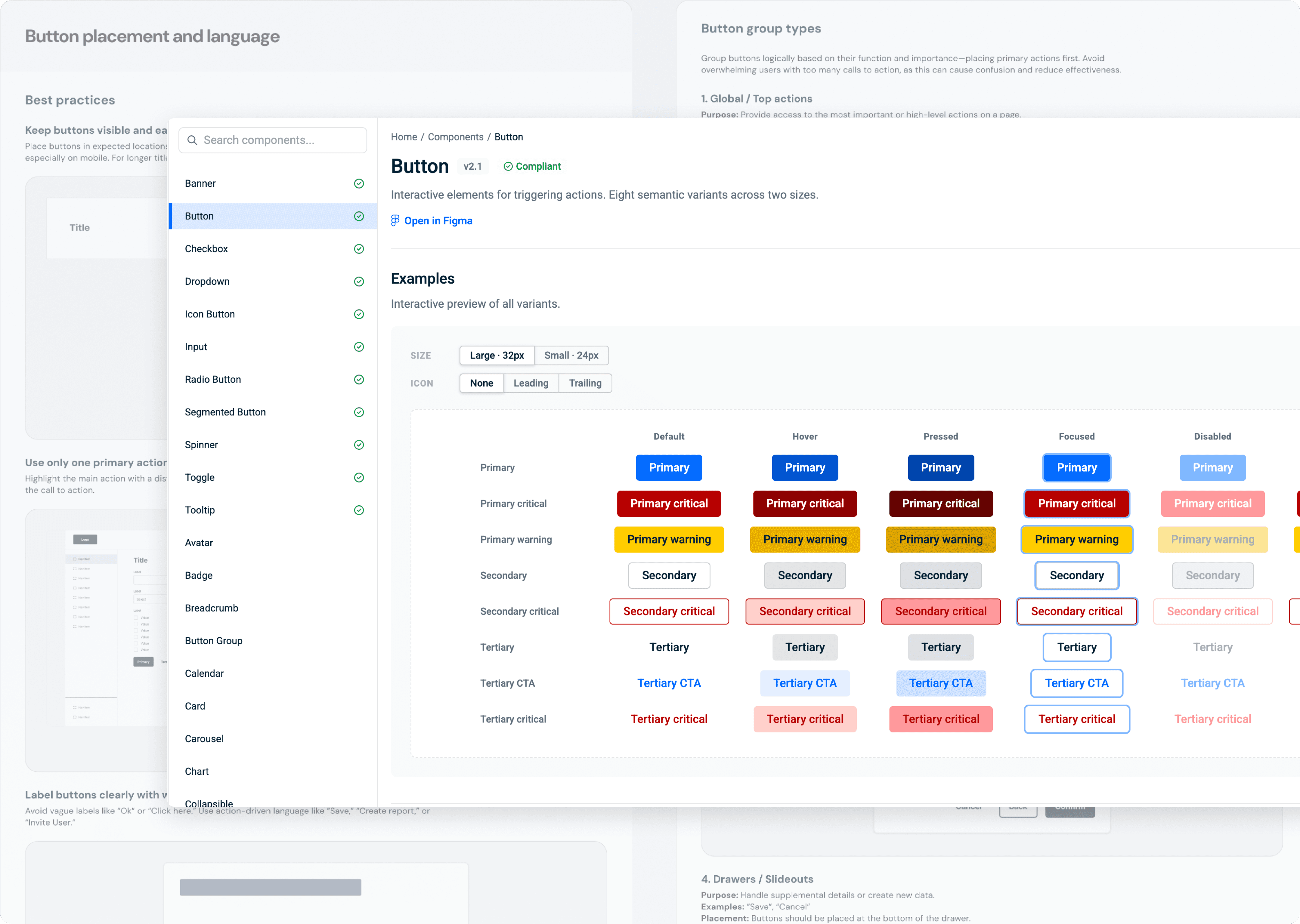
Building a system that teams could adopt, not resist
I worked closely with designers and engineers to shape reusable components, documentation, and adoption patterns that could fit into existing product workflows rather than forcing teams into a rigid system.
Extending shared patterns into AI experiences
As AI capabilities expanded across Kaseya products, I contributed to shared interaction patterns and reusable components for AI-assisted experiences. The goal was to make emerging AI workflows feel consistent with the broader product ecosystem rather than introducing a separate interaction model for each product.
These patterns helped create a more consistent foundation for AI-assisted experiences across the platform.
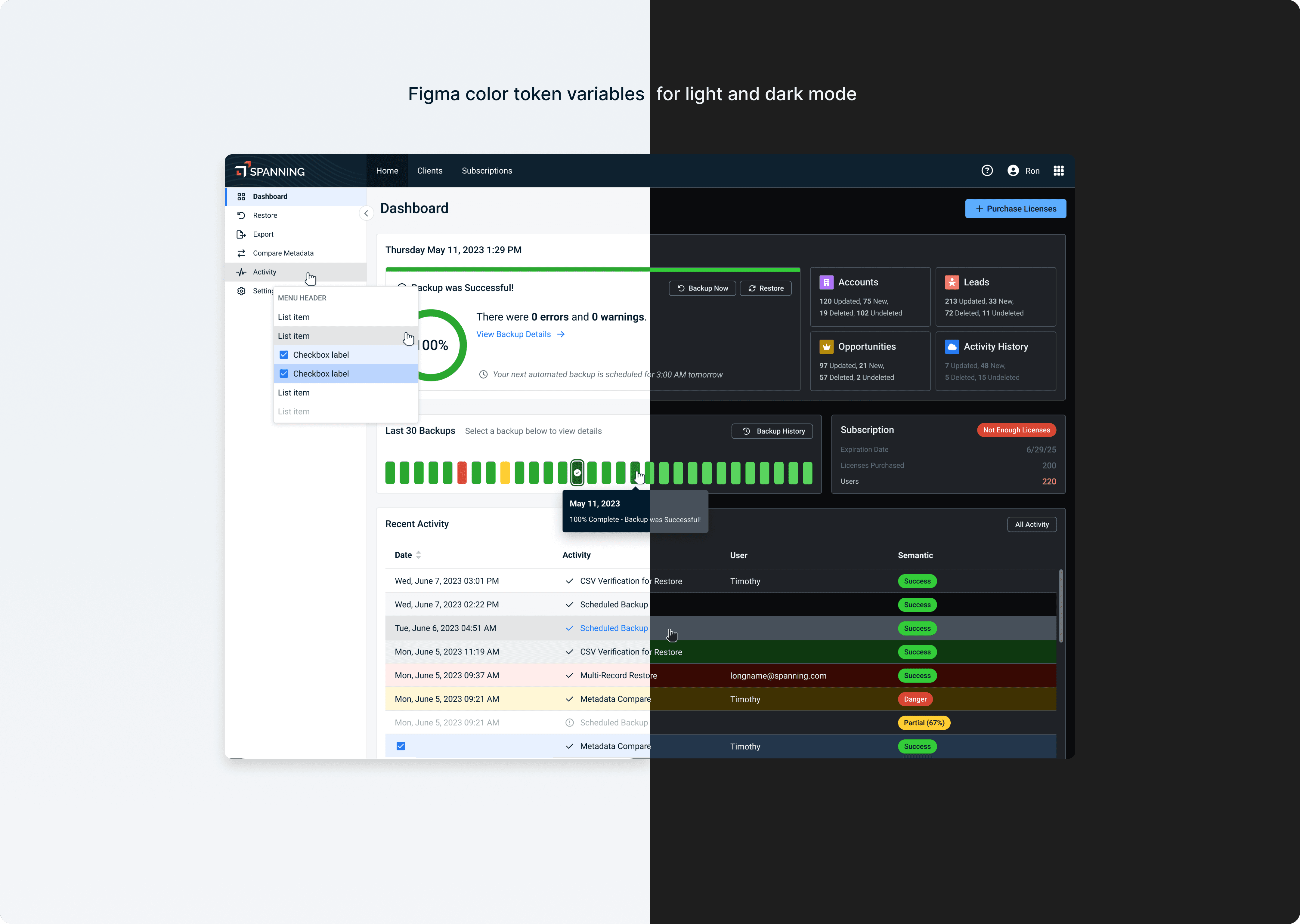
Designing for continuous growth and acquisition
Kaseya’s ecosystem continued to expand through acquisitions.
KDS helped new products integrate faster by providing a shared language of patterns, components, and foundations—without forcing teams to start from scratch.
This significantly reduced the time required to bring new products into the ecosystem.
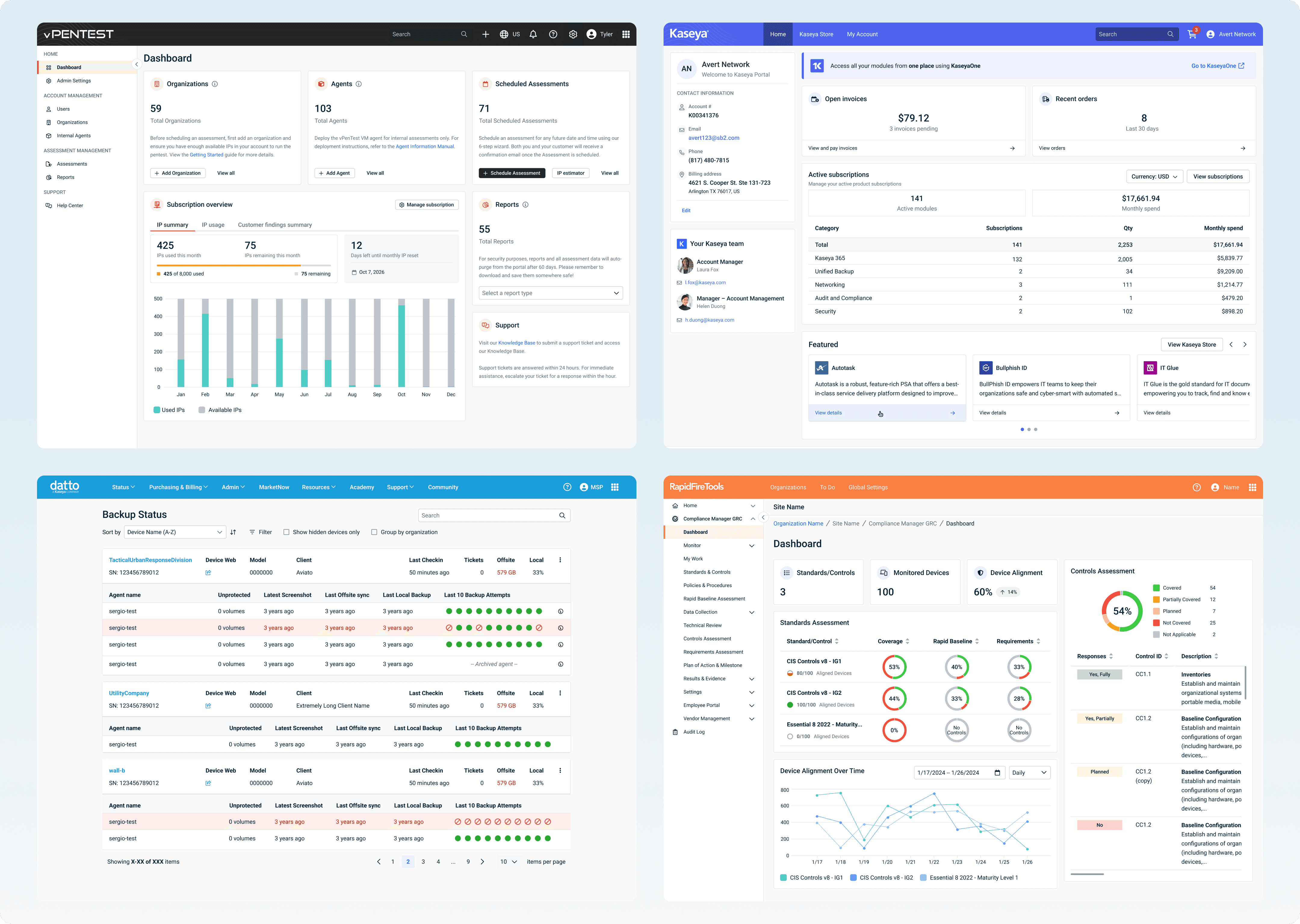
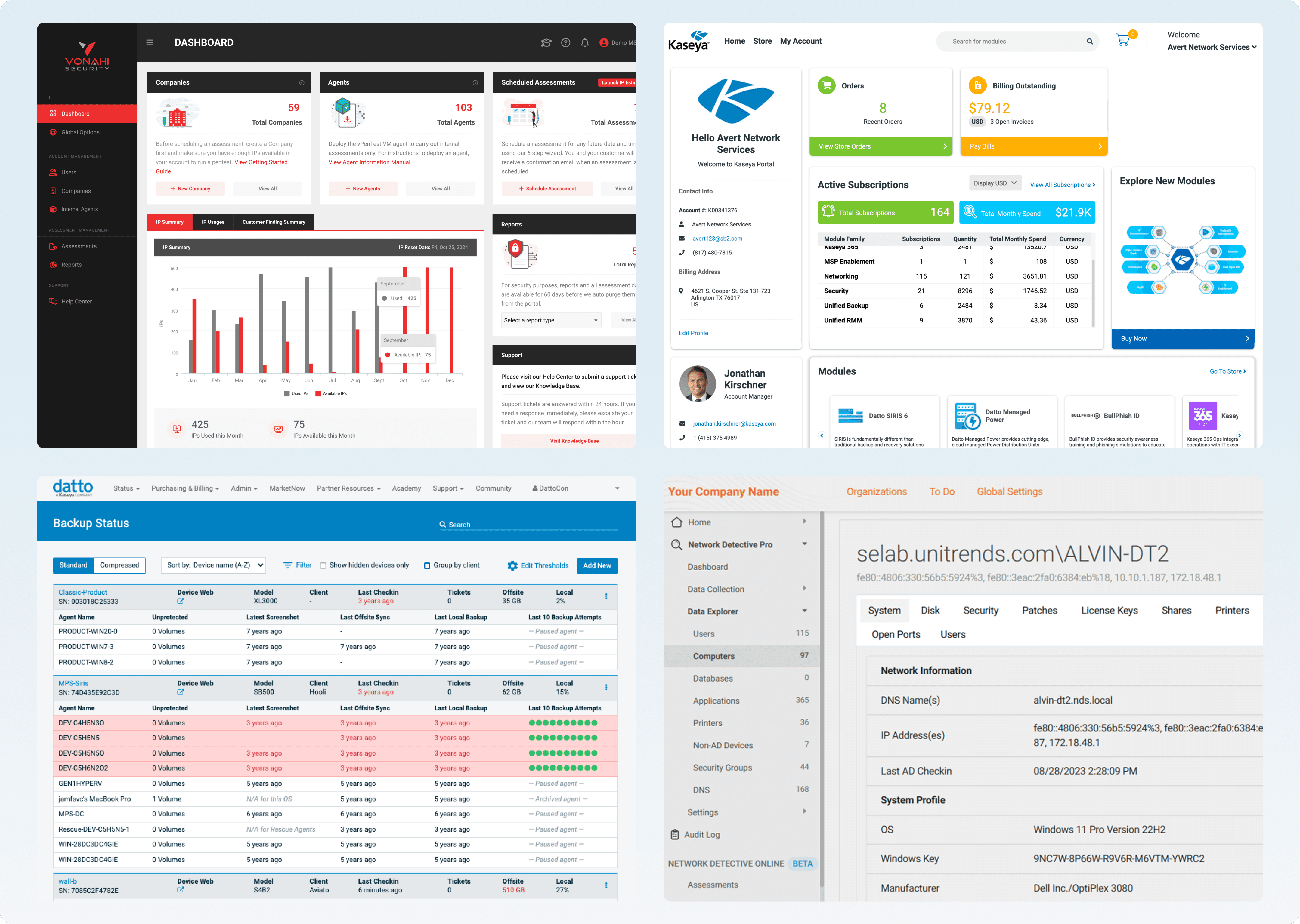
From fragmented decisions to a shared system
Before KDS, design decisions were made in isolation across products and teams.
After, those decisions became part of a shared system that scaled consistency, improved collaboration, and created a more unified customer experience.
Teams moved from rebuilding to reusing.
From inconsistent patterns to standardized ones.
The experience across products became more cohesive, and the process of building them became more efficient.
Outcome
KDS established a scalable foundation across 40+ products.
It reduced duplication across design and engineering, accelerated delivery through reusable components, and created a more consistent user experience across the platform.
It also enabled faster integration of newly acquired products, supporting long-term platform growth.
System & enablement
Standardized UX patterns across 40+ products
Reduced duplicate design and engineering work
Accelerated delivery through reusable components
Improved cross-team alignment
Scaled a shared design foundation
View case study